Top 10 Must Try Street Food in Hanoi
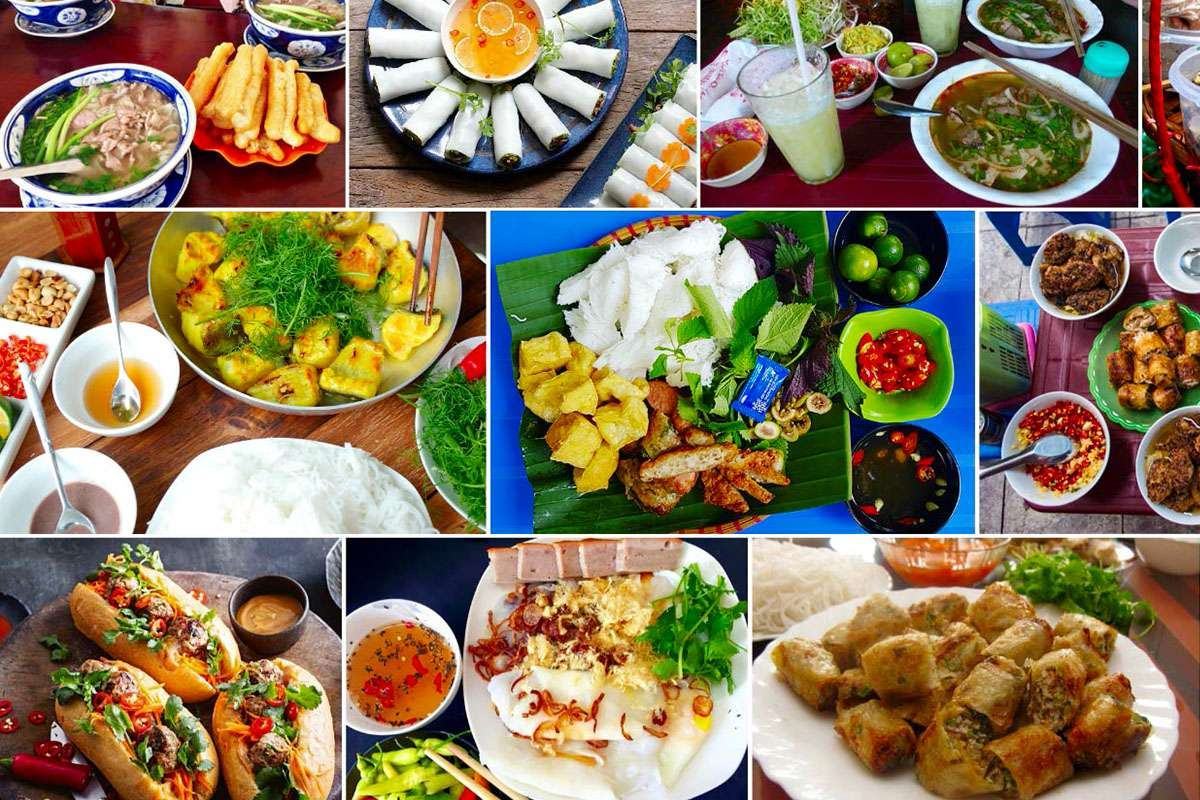
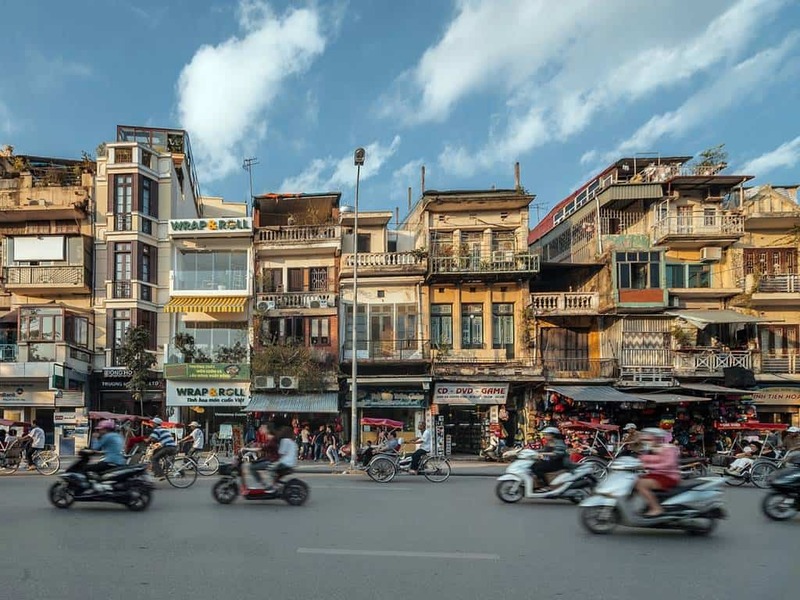
Hanoi is not only Vietnam’s capital of culture and history – it is also a paradise for street food lovers. Every corner of the city tells a culinary story, from steaming bowls of noodles on tiny sidewalks to sizzling grills in bustling night markets. Eating in Hanoi is not just about filling your stomach; it is about experiencing the city’s rhythm, tradition, and soul.
If you are visiting for the first time, here are the top 10 must-try street foods in Hanoi that will make your journey unforgettable.
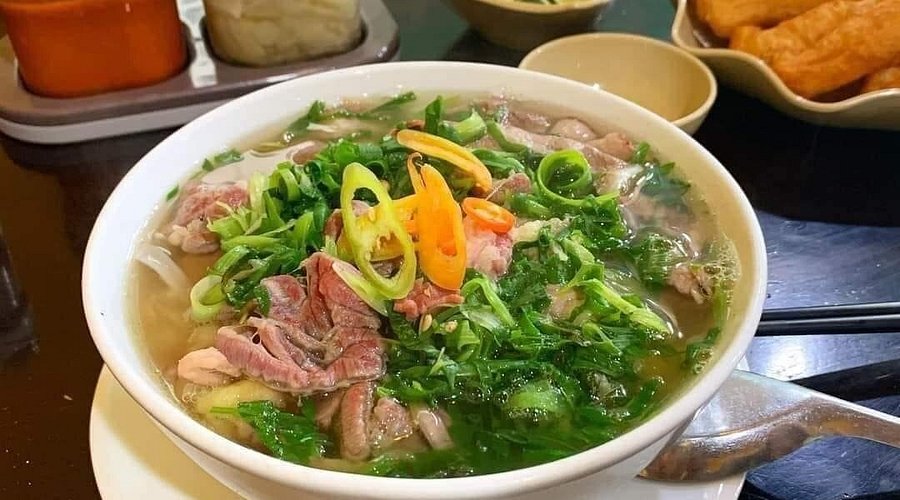
Pho
Pho is more than just Vietnam’s most famous dish – it is a cultural symbol deeply rooted in Hanoi’s identity. Believed to have originated in the early 20th century during the French colonial period, pho reflects a unique fusion of local ingredients and foreign influence, particularly the use of beef, which became more common during that time. Over the decades, it evolved into a dish that represents comfort, pride, and national identity.
Today, Pho Thin at 13 Lo Duc Street is one of the most iconic places to experience this tradition. Known for its rich, smoky beef stir-fry style, it offers a bold variation of classic pho that has been perfected over generations. Meanwhile, Pho Bat Dan in the Old Quarter preserves a more traditional style, where long queues every morning are part of the cultural experience itself, reflecting how deeply pho is woven into daily life in Hanoi.
Bun Cha
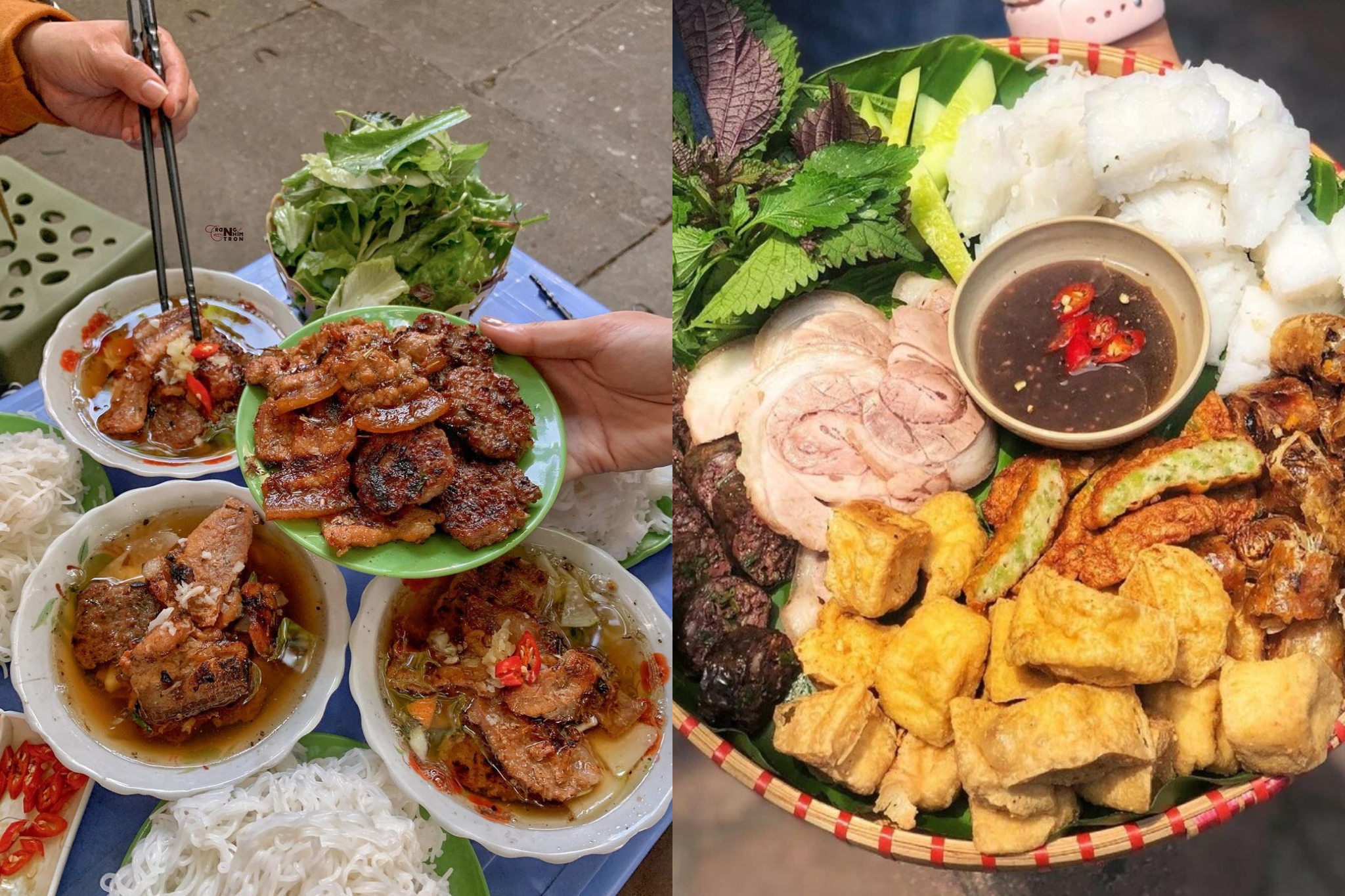
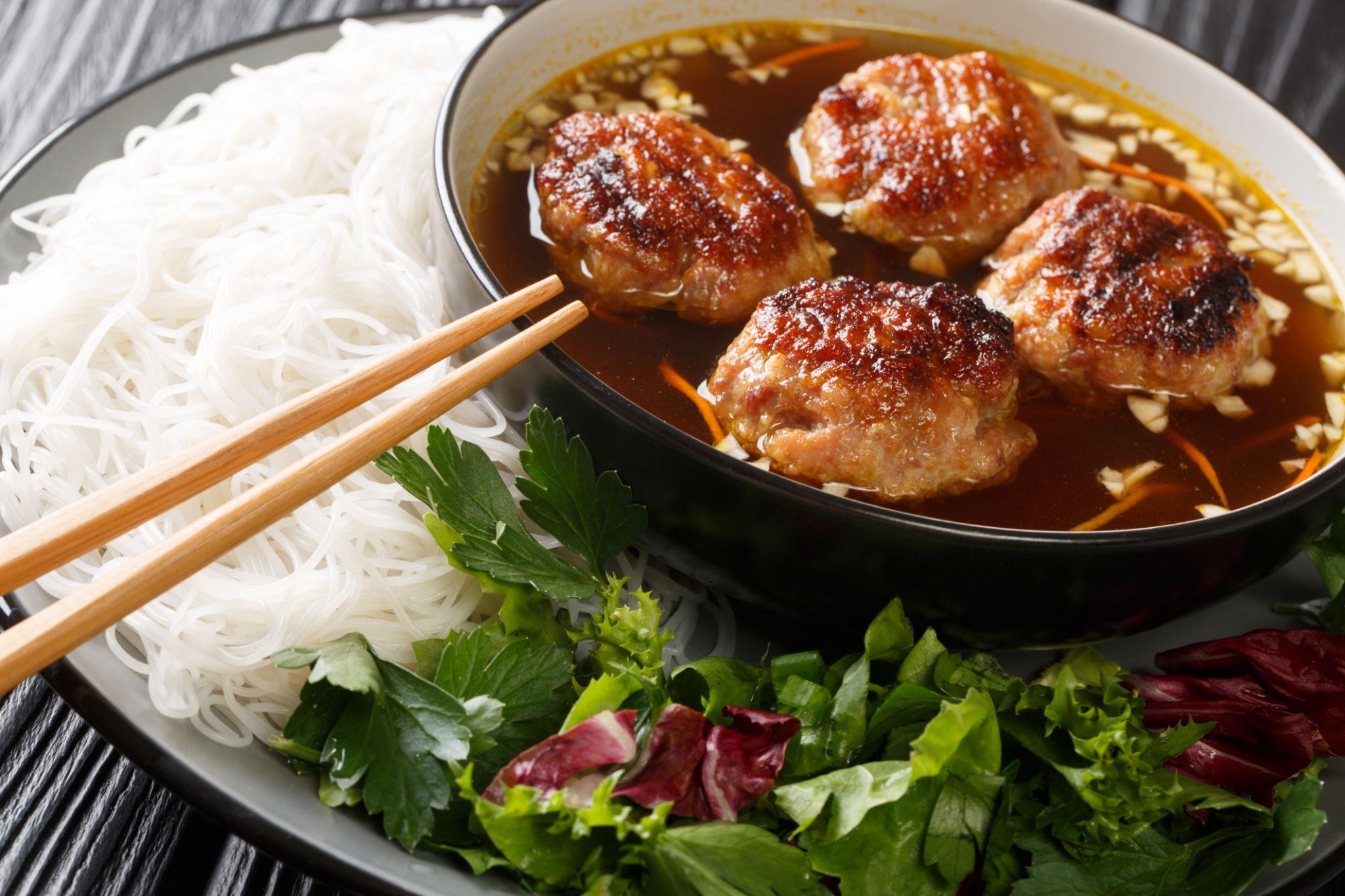
Bun cha is a dish that perfectly captures the essence of Hanoi’s street food culture: simple ingredients, careful preparation, and bold flavor. It is believed to have originated in Hanoi’s Old Quarter, where families began grilling pork over charcoal and serving it with rice noodles and herbs as a quick, affordable meal for locals.
Over time, bun cha became a staple of Hanoi’s lunchtime culture, enjoyed across generations. Its global recognition grew after former U.S. President Barack Obama shared a meal at Bun Cha Huong Lien on Le Van Huu Street, turning a humble local dish into an international symbol of Vietnamese cuisine. Today, places like Bun Cha Dac Kim on Hang Manh Street continue to preserve the smoky, authentic flavors that define this beloved dish.
Banh Mi
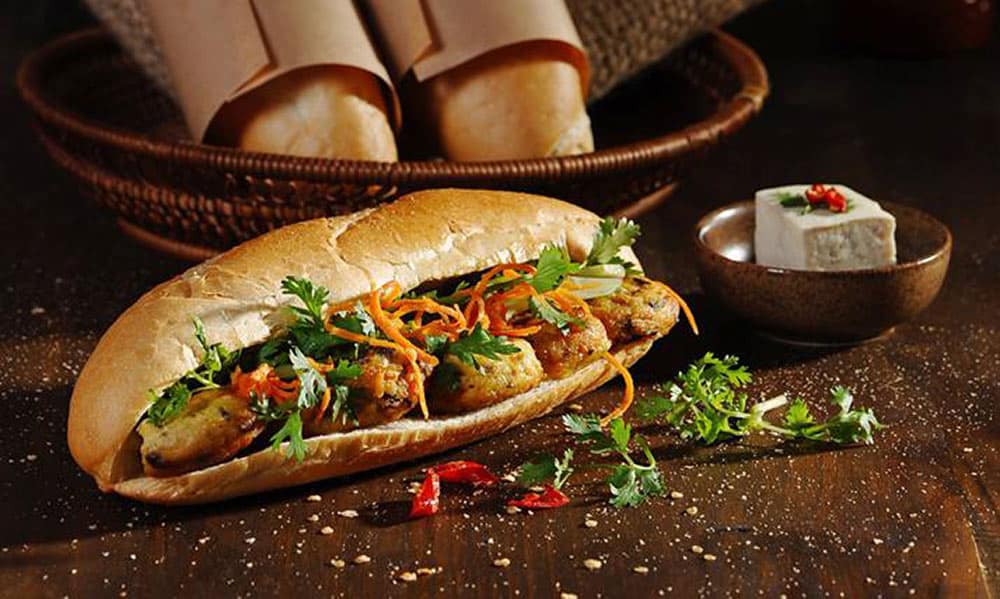
Banh mi is a perfect example of Vietnam’s cultural adaptation during the French colonial period. Introduced through the baguette, Vietnamese people transformed it by adding local ingredients such as pickled vegetables, cilantro, chili, and various types of meat, creating a completely new culinary identity.
In Hanoi, Banh Mi 25 on Hang Ca Street has become one of the most popular places to experience this fusion. The dish represents more than convenience – it reflects Vietnam’s creativity in blending cultures while maintaining a strong local identity. Across the Old Quarter, countless small vendors continue to serve their own family recipes, each adding a personal touch to this national favorite.
Cha Ca La Vong
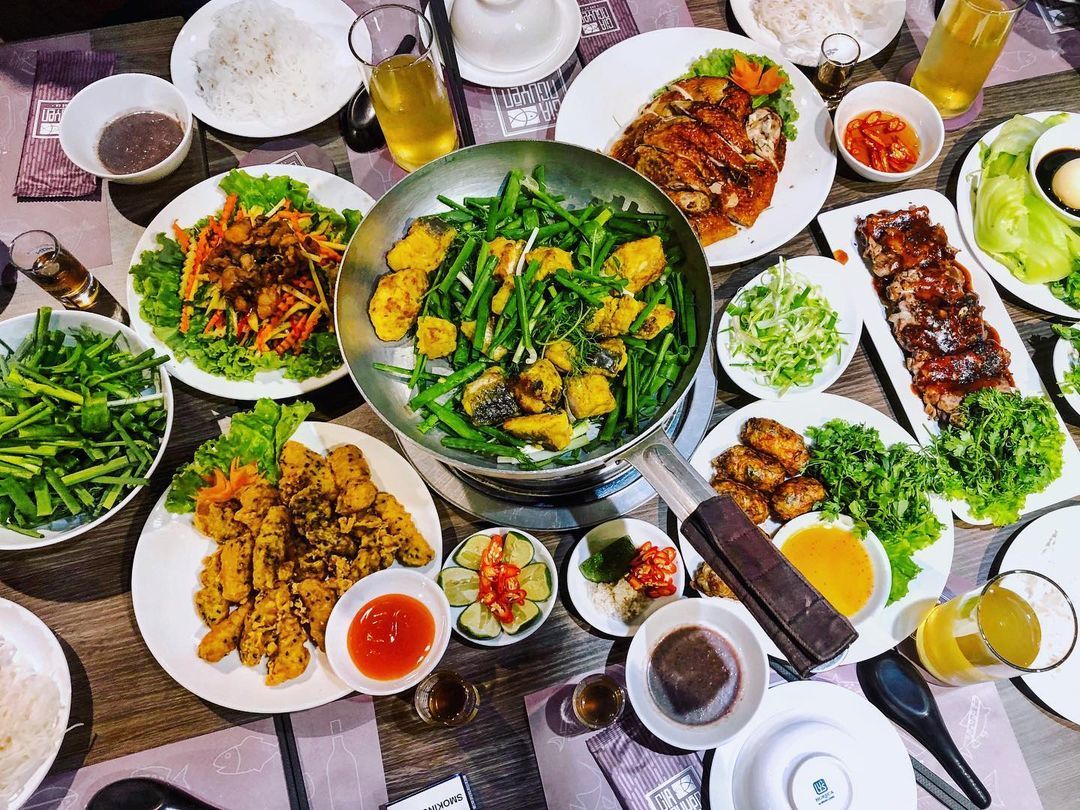
Cha ca is one of Hanoi’s oldest and most prestigious dishes, believed to have been created over a century ago by a family in the Old Quarter. Originally served to guests during resistance-era gatherings, it gradually became so popular that an entire street – Cha Ca Street – was named after it.
The dish features fish marinated in turmeric and grilled with dill and spring onions at the table, creating a strong aroma that fills the restaurant. Cha Ca La Vong on Cha Ca Street remains the most historic place to try it, preserving a recipe that has been passed down through generations and is deeply tied to Hanoi’s culinary heritage.
Xoi
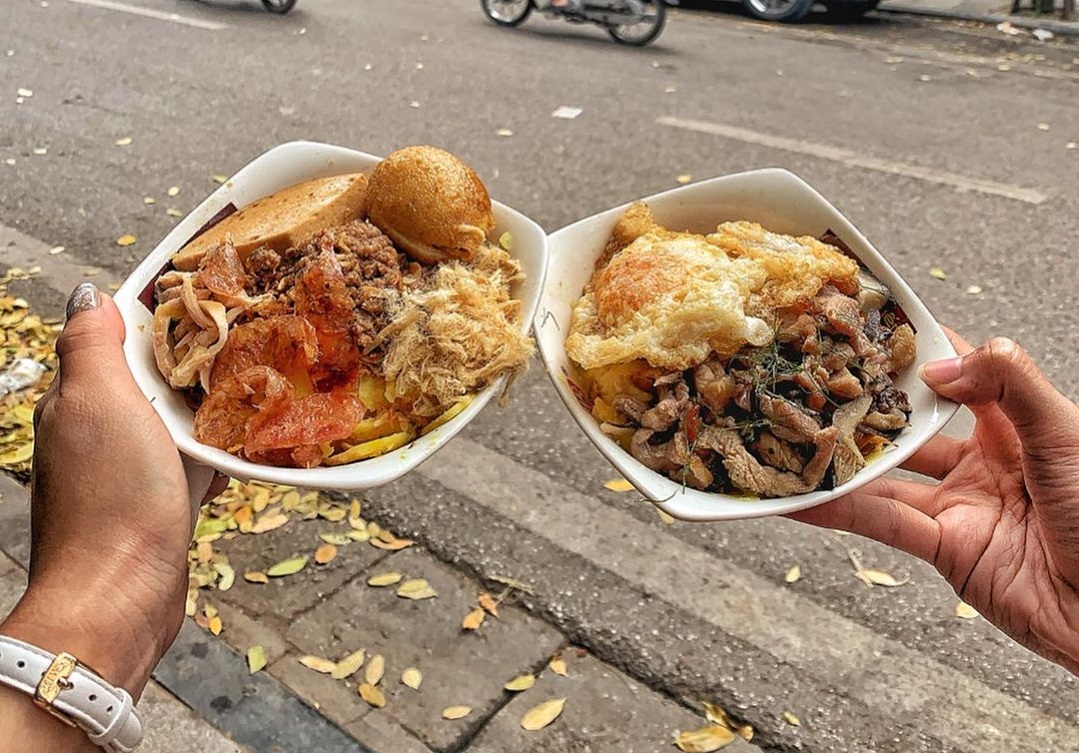
Xoi, or sticky rice, is one of the oldest and most practical dishes in Vietnamese cuisine, originally developed as a filling and portable meal for farmers and workers. Over time, it evolved into a versatile street food found throughout Hanoi, especially in the early morning when locals begin their day.
Xoi Yen on Nguyen Huu Huan Street is one of the most famous modern versions, offering countless variations topped with chicken, pork floss, and beans. Despite its simplicity, xoi remains deeply connected to Vietnamese traditions of sharing, nourishment, and everyday resilience.
Banh Cuon
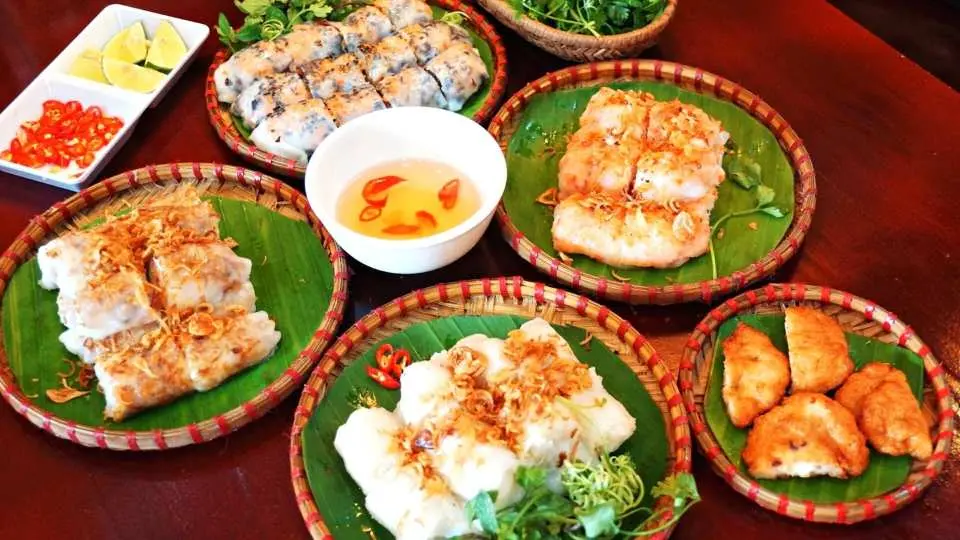
Banh cuon reflects the elegance of Northern Vietnamese cuisine, where simplicity meets refinement. Traditionally made by steaming thin rice batter sheets and filling them with minced pork and mushrooms, this dish has long been a breakfast staple in Hanoi households.
Watching it being prepared is part of the cultural experience, as the technique requires skill and precision passed down through generations. At Banh Cuon Ba Hanh near St. Joseph’s Cathedral, visitors can witness this delicate process while enjoying a dish that represents the quiet sophistication of Hanoi’s culinary traditions.
Nem Ran
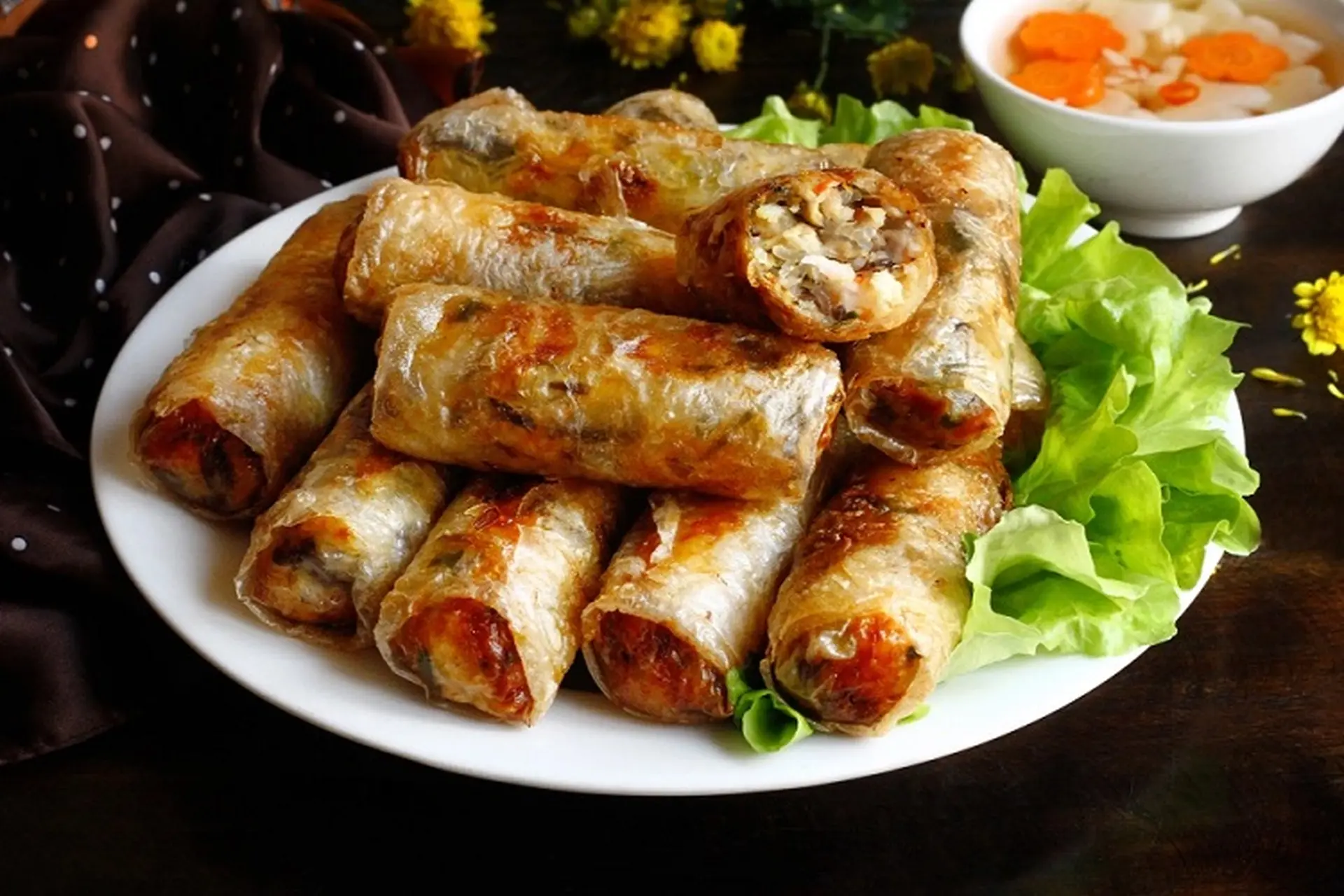
Nem ran, known internationally as Vietnamese fried spring rolls, is a dish that reflects the importance of family gatherings and celebrations in Vietnamese culture. Traditionally prepared during festivals and special occasions, it symbolizes prosperity and unity.
In Hanoi, nem ran has become a common street food while still retaining its festive roots. Vendors around Hang Be Street continue to serve crispy, golden rolls filled with pork, glass noodles, and mushrooms, offering both locals and travelers a taste of tradition in everyday life.
Bun Thang
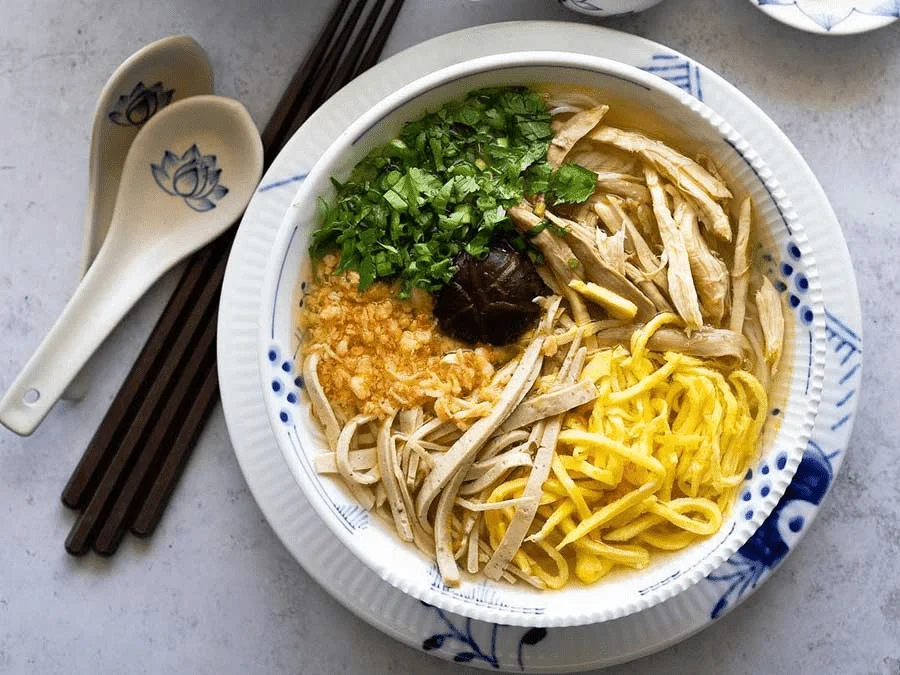
Bun thang is considered one of the most sophisticated dishes in Hanoi cuisine, originally created as a way to use leftover ingredients during Tet (Lunar New Year) celebrations. Over time, it became a symbol of culinary refinement in Northern Vietnam.
Made with chicken, egg, herbs, and a delicate broth, bun thang requires careful preparation to achieve its balanced flavor. Bun Thang Ba Duc on Cau Go Street is one of the best-known places to experience this elegant dish, which reflects Hanoi’s appreciation for subtlety and detail in food.
Egg Coffee
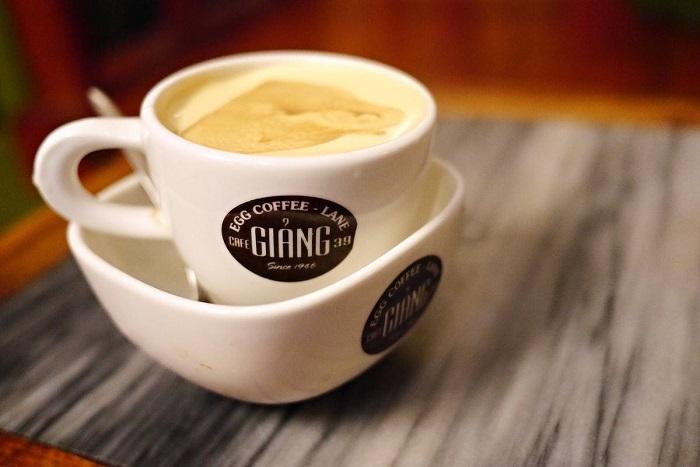
Egg coffee was born in Hanoi during the 1940s when fresh milk was scarce due to economic hardship. A creative bartender at the time replaced milk with whipped egg yolk and sugar, accidentally creating a rich and creamy beverage that would become a cultural icon.
Giang Café on Nguyen Huu Huan Street is widely recognized as the birthplace of egg coffee, while Café Dinh offers a more hidden, local atmosphere overlooking Hoan Kiem Lake. Today, egg coffee is not just a drink but a symbol of Hanoi’s creativity and resilience.
Bia hoi
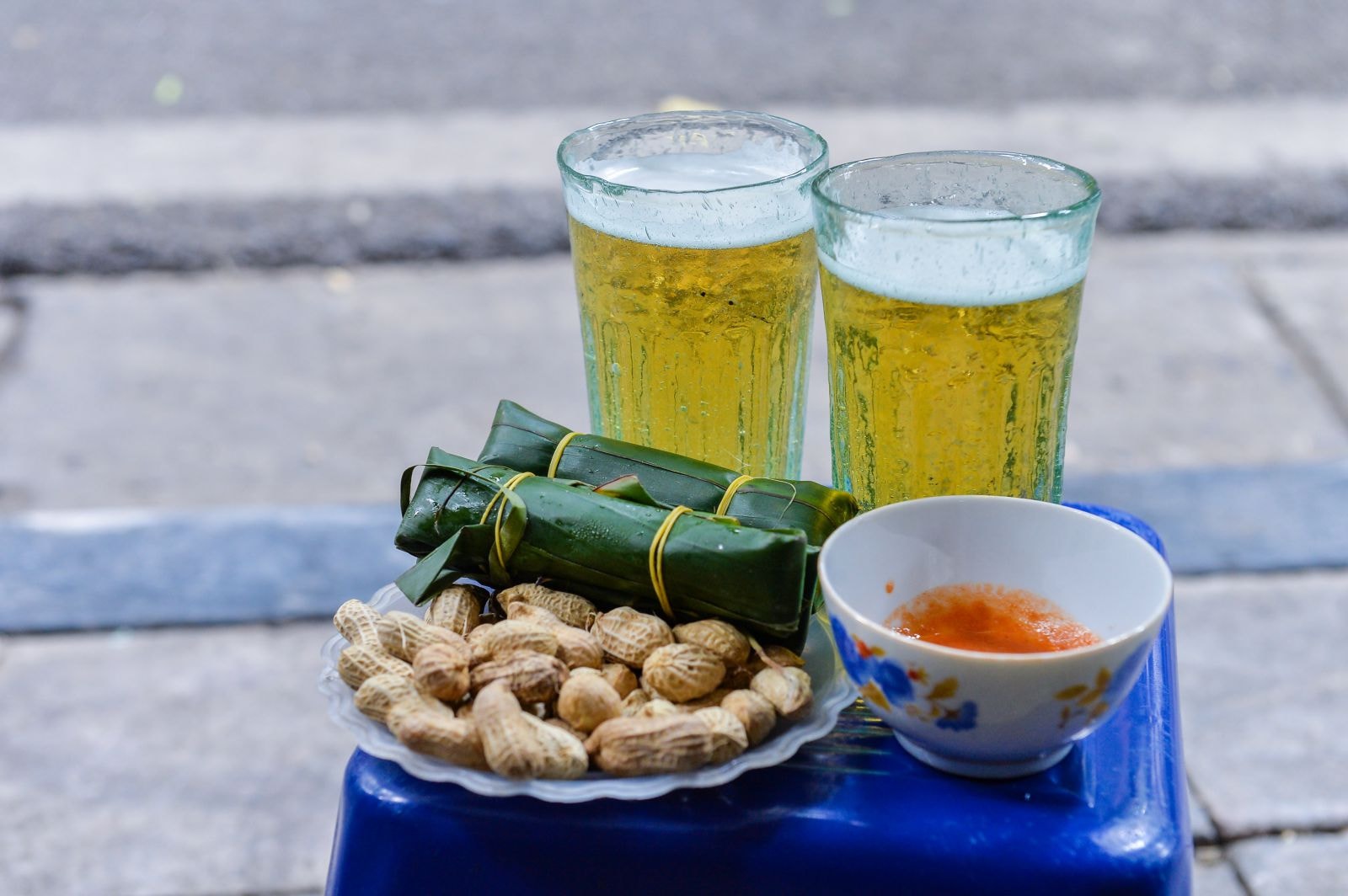
Bia hoi represents the social culture of Hanoi more than any other drink. Introduced in the 20th century, this fresh, low-alcohol beer quickly became a staple of everyday life, especially in the evenings when locals gather to relax after work.
The lively atmosphere of Ta Hien Street captures this tradition perfectly, where people sit on small stools, share food, and connect over glasses of freshly brewed beer. Bia hoi is not just about drinking – it is about community, conversation, and the rhythm of urban life in Hanoi.
Ultimately, Hanoi’s street food scene is much more than a collection of dishes. It is a living reflection of the city’s history, traditions, and people. Every bowl of pho, every grilled skewer, and every cup of egg coffee offers a glimpse into daily life in Vietnam’s capital. For visitors seeking to understand Hanoi beyond its landmarks, there is no better place to start than at the table – or more accurately, on a tiny plastic stool beside the street.
Hanoi Local Tours