Explore Two Craft Villages in One day: From Quang Phu Cau to Bat Trang
Just a short journey from Hanoi lies a world where tradition is still alive in every corner, where craftsmanship is not only preserved but continues to shape daily life. The Quang Phu Cau Incense Village & Bat Trang Ceramic Village Tour offers travelers a unique opportunity to explore two of Northern Vietnam’s most iconic craft villages in a single full-day experience – each telling its own story of heritage, artistry, and community.
This is more than a sightseeing tour. It is a journey into the heart of Vietnam’s living cultural traditions.
Vietnamese Craft Villages – places that preserve centuries of cultural memories
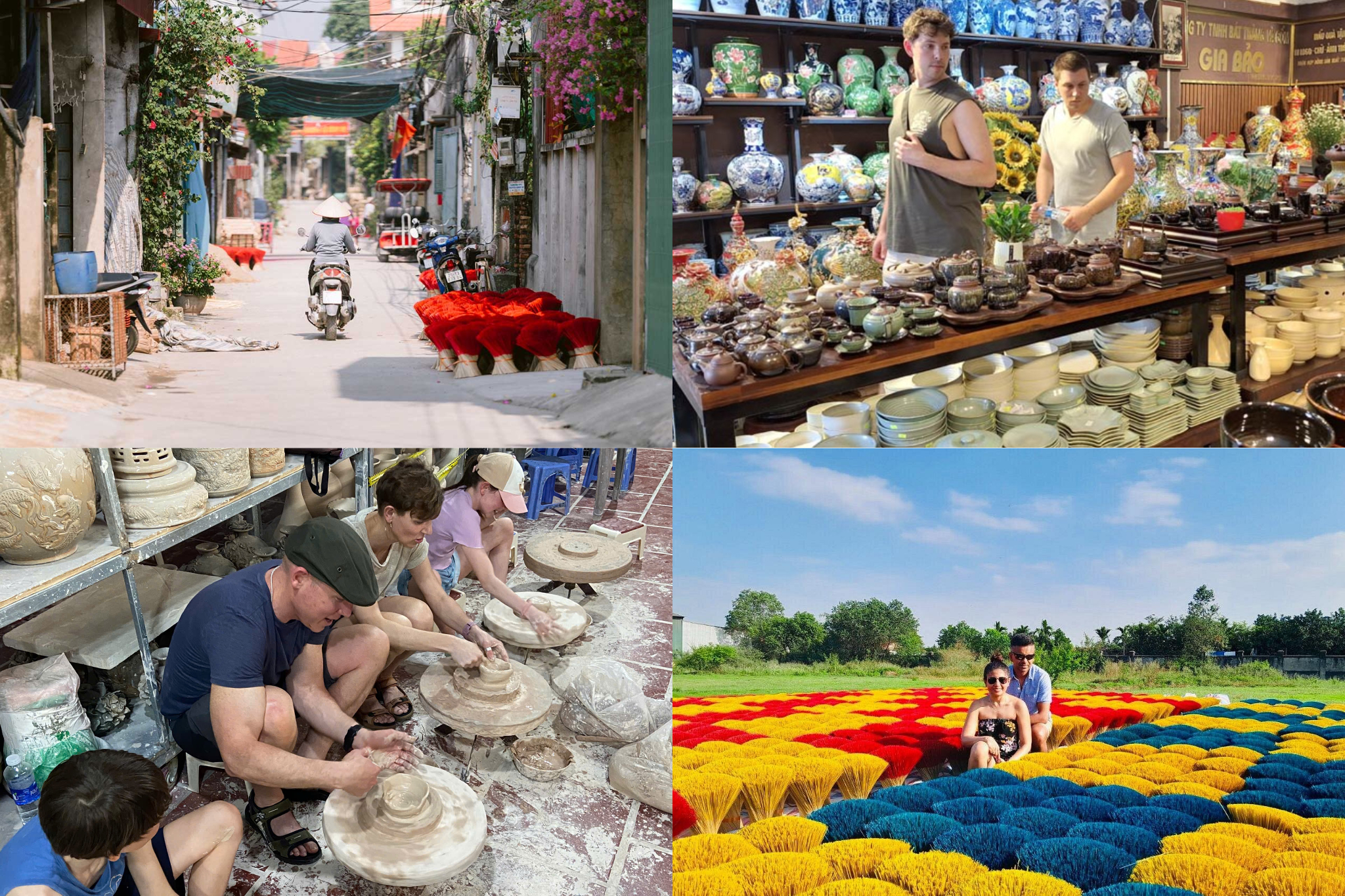
Both Bat Trang Pottery Village and Quang Phu Cau Incense Village are prime examples of the finest traditional Vietnamese crafts, where handicrafts are not only a livelihood but also a profound part of the community’s culture and spritual life.
Bat Trang Pottery Village has a history of over 700 years, dating back to the Ly-Tran dynasties when pottery artisans from many regions gathered along the Red River to create a major pottery production center. Over generations, Bat Trang has not only become famous for its household pottery products but has also developed into a highly artistic craft village, where firing, glazing, and shaping techniques are continuously preserved and improved. Each pottery product here bears the mark of the skill, patience, and creative spirit of Vietnamese artisans.
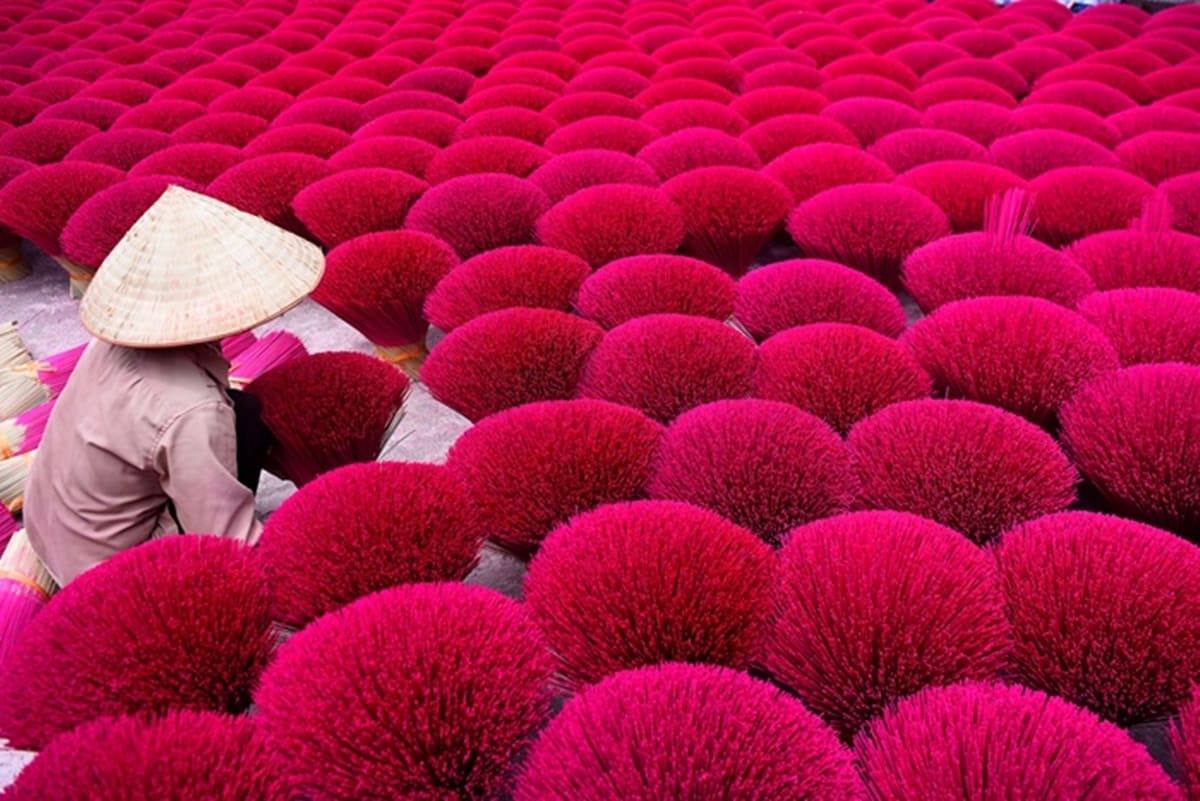
Meanwhile, Quang Phu Cau Incense Village is closely associated with the traditional incense-making craft serving the spiritual life of the Vietnamese people. This craft village has flourished for a long time, as the need for incense in ancestor worship and religious rituals has become an indispensable part of East Asian culture. What makes Quang Phu Cau special is not only the handcrafted incense-making technique but also the image of bundles of bright red incense drying in the sun, creating a space that is both labor-intensive and possesses profound aesthetic and cultural symbolism.
Today, both craft villages not only maintain their traditional production roles but also become “living museums,” where visitors can directly observe, experience, and feel the continuity between the past and present of Vietnamese culture.
Morning: The Colorful World of Quang Phu Cau Incense Village
The journey begins at 7:30 AM, when guests are picked up from their hotel in Hanoi’s Old Quarter and leave behind the city’s busy streets for the peaceful countryside. As the urban landscape gradually fades, rice fields, small villages, and quiet rural roads set the tone for the day ahead.
By mid-morning, travelers arrive at Quang Phu Cau Incense Village, a centuries-old craft village famous for its vibrant incense production.
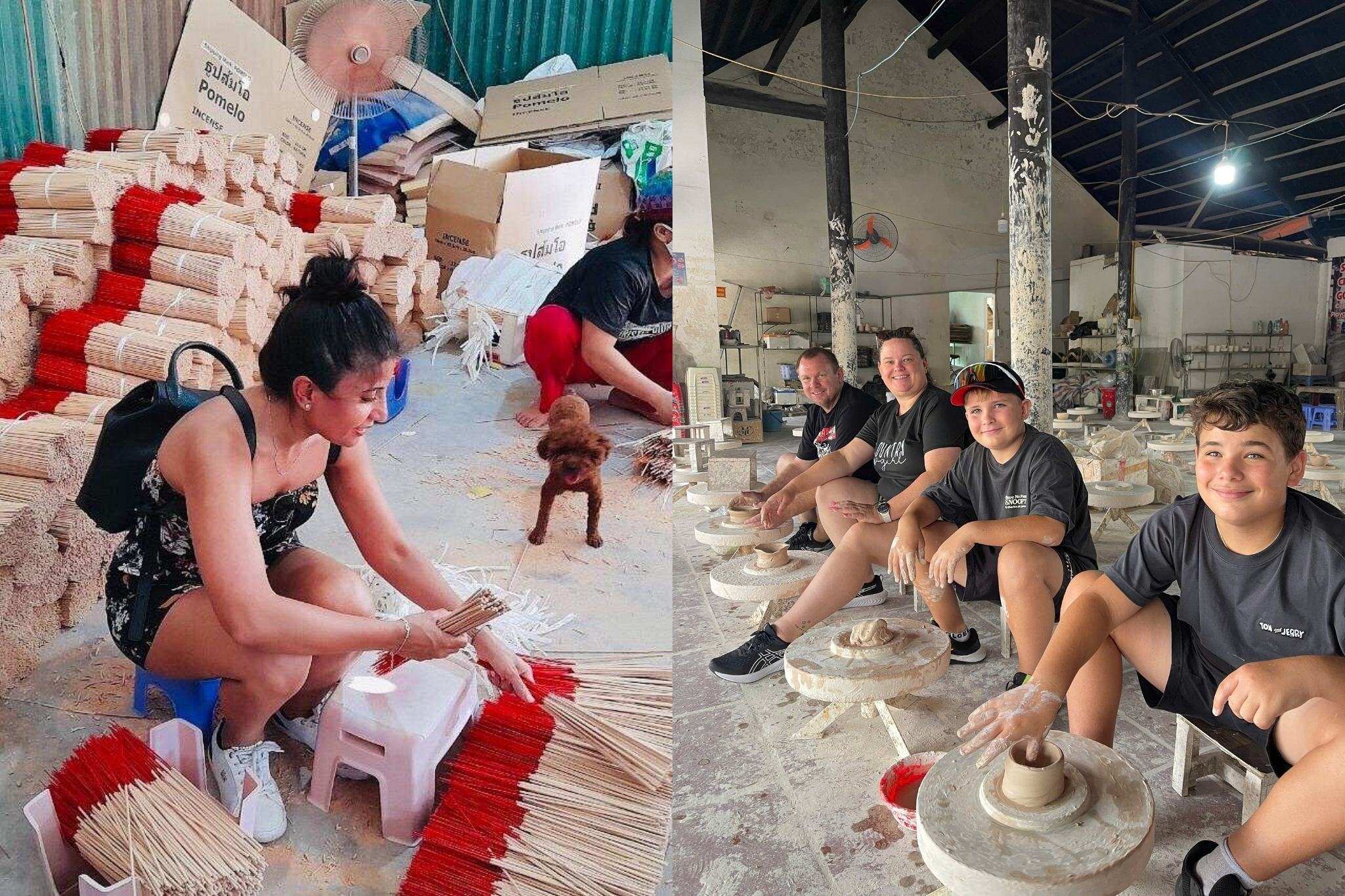
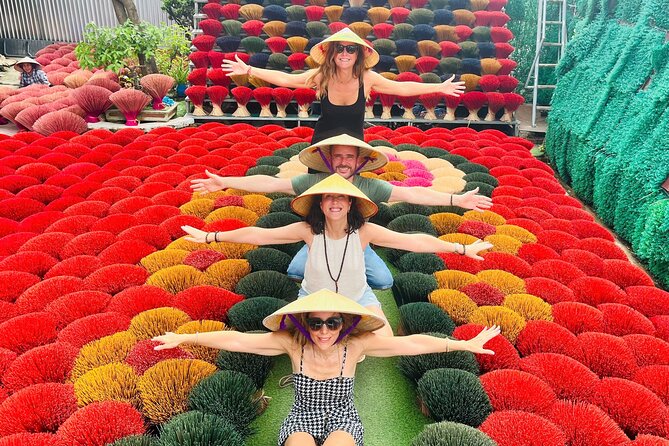
At first glance, the village feels like a living painting. Bundles of bright red incense sticks are carefully arranged in the sun, creating stunning visual patterns that attract photographers from around the world. But beyond the colors and aesthetics lies a deeper story – one of patience, skill, and generations of craftsmanship passed down within families.
Walking through narrow alleys, visitors can observe the entire process of incense making, from bamboo splitting and dyeing to sun-drying in open courtyards. Local artisans continue to work with remarkable dedication, preserving techniques that have existed for hundreds of years.
This experience is not only visually striking but also deeply cultural, offering insight into a tradition that plays an important role in Vietnamese spiritual life and ancestral worship.
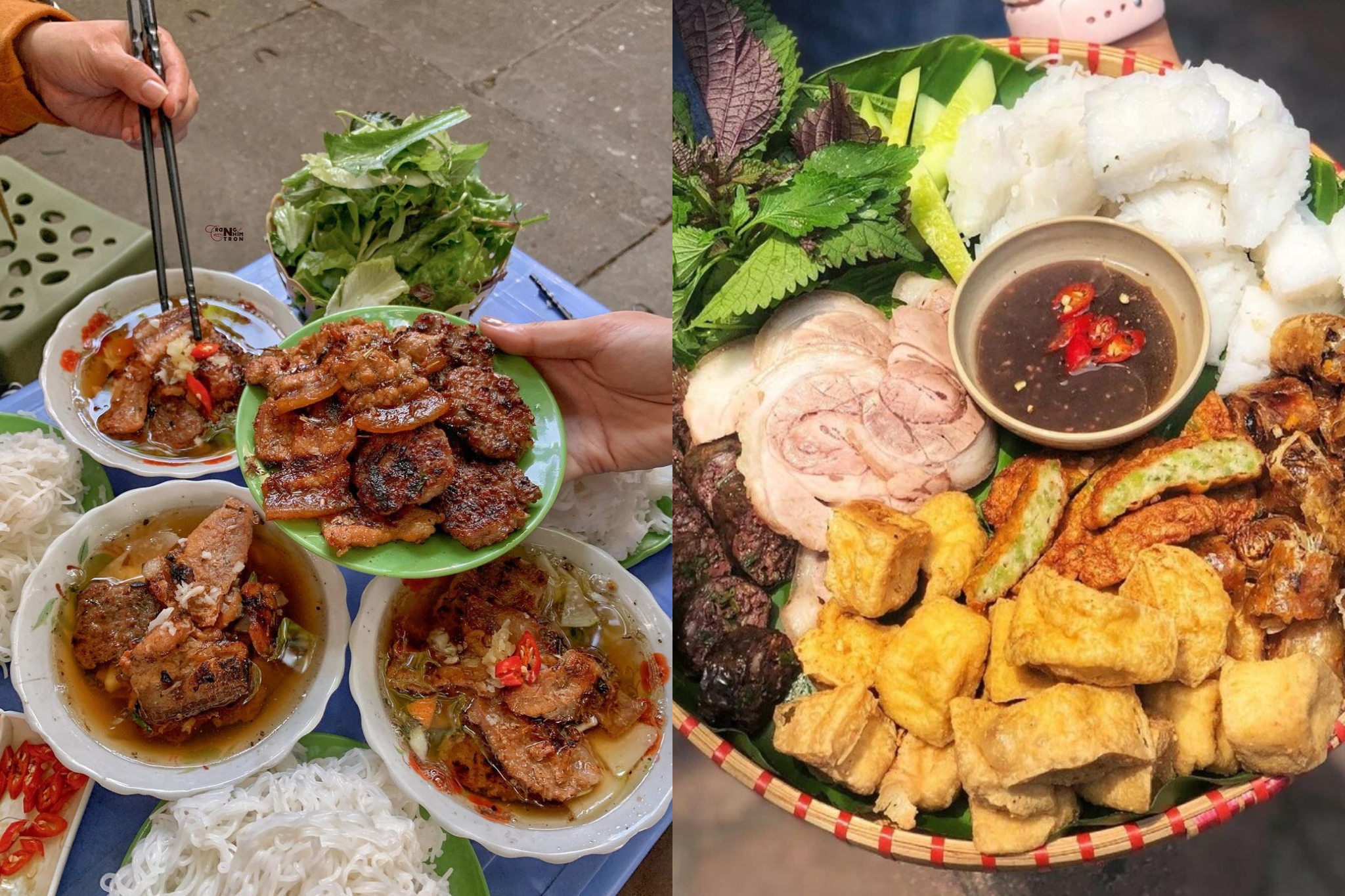
After the visit, guests return to Hanoi for lunch, where they enjoy one of the city’s most iconic dishes, Bún Chả, followed by a traditional cup of egg coffee in a local café – an essential Hanoi experience.
Afternoon: The Journey to Bat Trang Ceramic Village
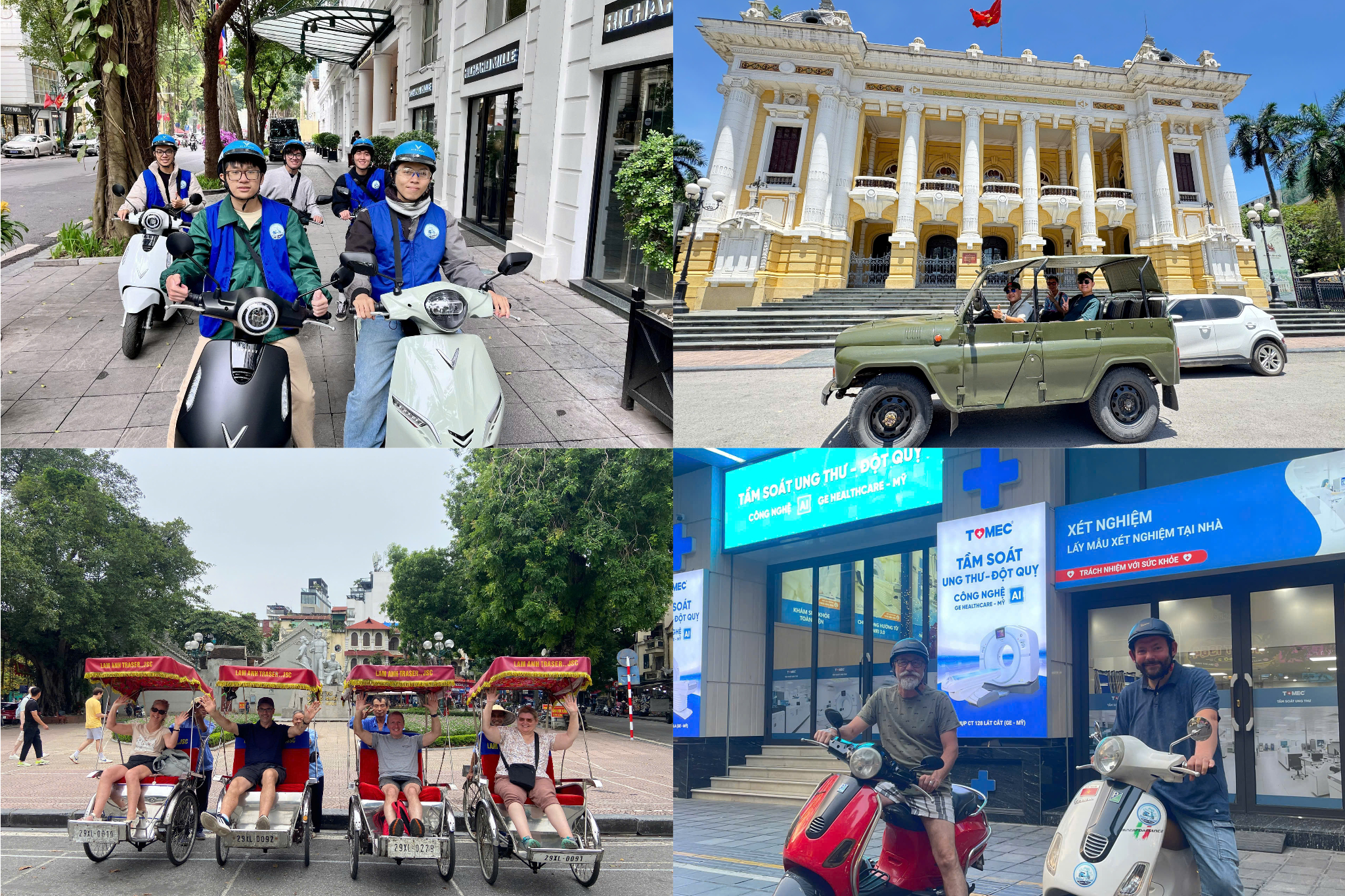
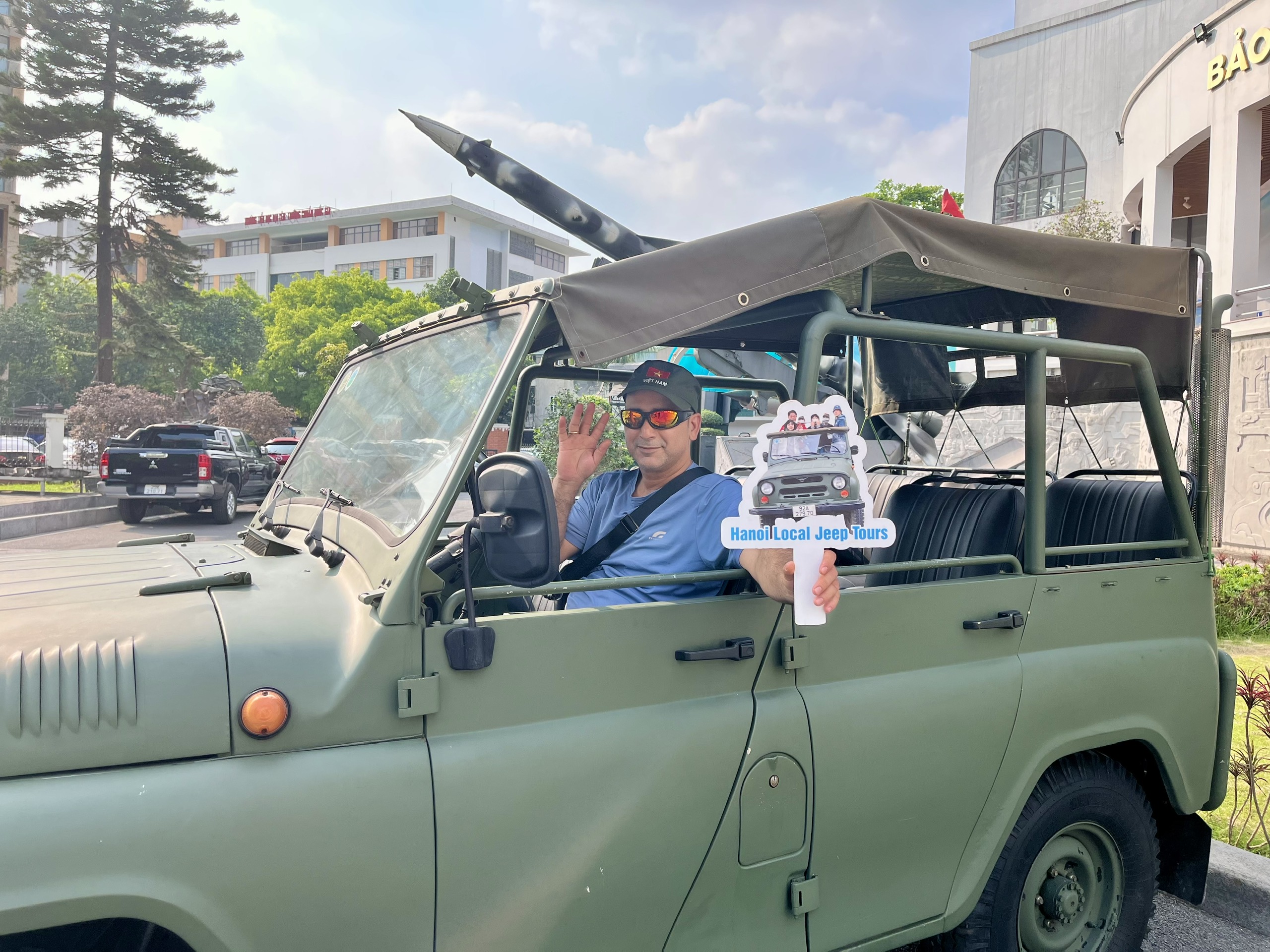
After lunch, the adventure continues in a completely different direction. Travelers hop on a Vietnam People’s Army Legend Jeep and begin an exciting ride toward Bat Trang Ceramic Village, one of the oldest pottery villages in Vietnam.
Unlike the peaceful incense village, the journey itself becomes part of the experience. The open-air Jeep crosses the Red River, passes through hidden streets and local neighborhoods, and gradually reveals the everyday life of people living along the outskirts of Hanoi.
This contrast between rural scenery and local urban life creates a dynamic perspective of the region – showing how tradition and modernity coexist side by side.
Discovering a 700-Year-Old Ceramic Tradition
Upon arrival at Bat Trang, the atmosphere shifts once again. Narrow alleys, family-run workshops, and rows of handmade ceramics welcome visitors into a village that has specialized in pottery for more than 700 years.
Bat Trang is not a museum – it is a living community where artisans still shape, decorate, and fire ceramics using traditional methods passed down through generations. Every piece tells a story of craftsmanship, patience, and cultural identity.
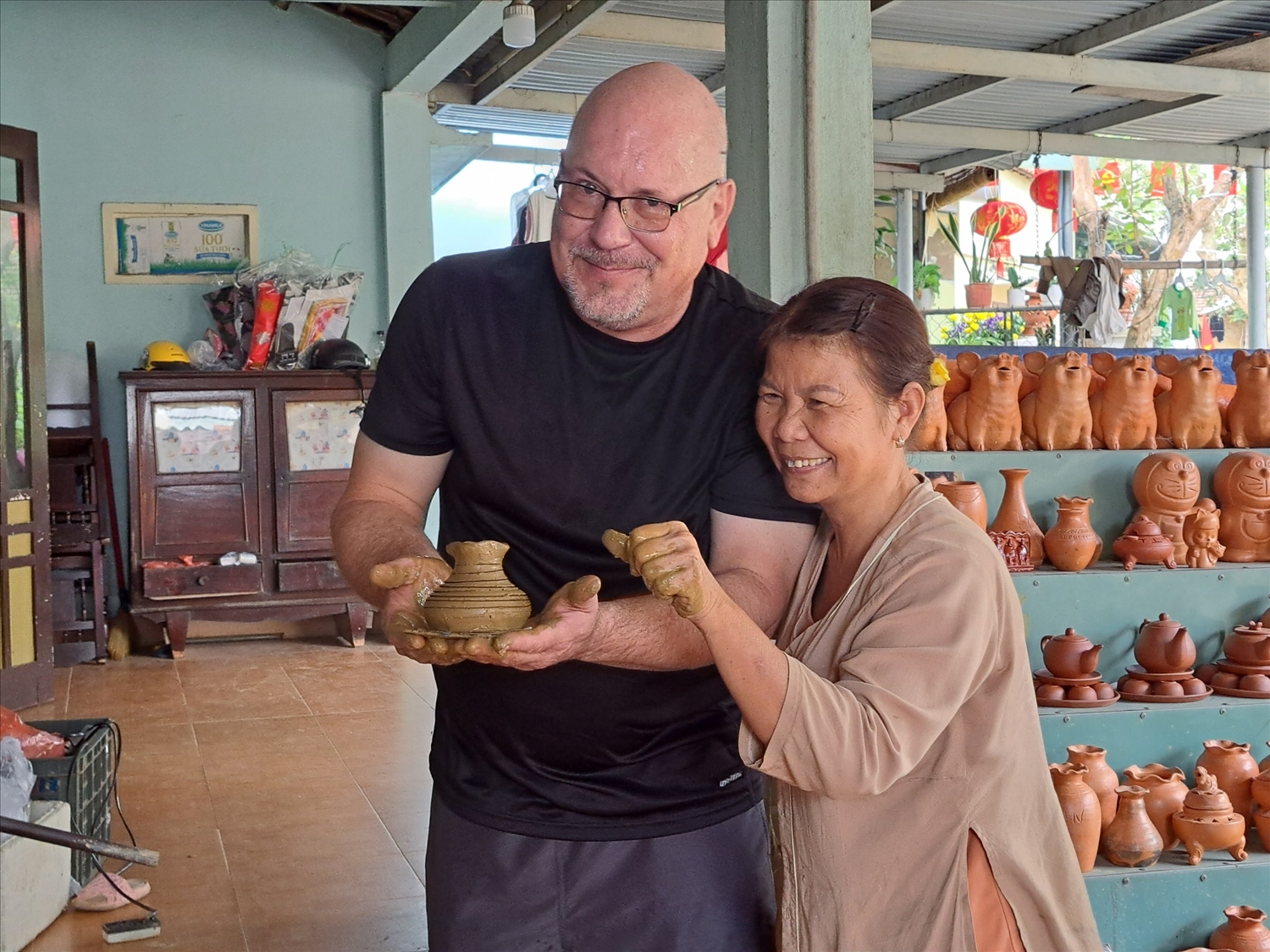
Visitors are invited to explore workshops, watch artisans at work, and learn about the village’s long history. The experience becomes even more meaningful with a hands-on pottery session, where guests can try shaping their own ceramic products under the guidance of local craftsmen.
This interactive moment allows travelers to connect directly with the tradition, transforming observation into participation.
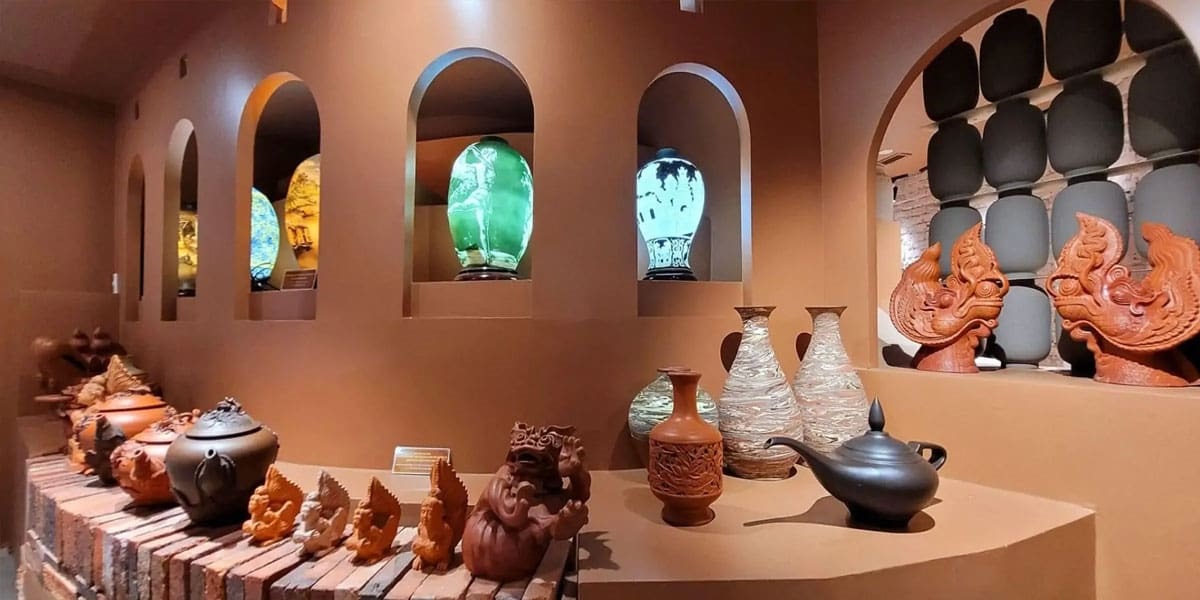
The Bustling Ceramic Market & Local Life
Before leaving Bat Trang, guests have time to explore the lively ceramic market, where hundreds of handmade products are displayed – from bowls and vases to teapots and decorative souvenirs.
This is the perfect place to appreciate the diversity of Bat Trang craftsmanship while also supporting local artisans. Each item reflects not just skill, but also the cultural heritage of a village that has survived and thrived for centuries.
A Scenic Return to Hanoi
In the late afternoon, the journey continues back to Hanoi by Jeep, following a different scenic route along the Red River. The ride offers a final chance to observe rural landscapes, local life, and the peaceful rhythm of the countryside before returning to the city.
By around 5:00 PM, travelers arrive back at their hotel in the Old Quarter, marking the end of a full-day journey filled with culture, craftsmanship, history, and unforgettable experiences.
More Than a Tour – A Cultural Connection
The combination of Quang Phu Cau and Bat Trang offers something rare: two completely different yet deeply connected expressions of Vietnamese heritage. One represents color, spirituality, and ritual tradition. The other represents creativity, functionality, and artistic craftsmanship. Together, they form a complete picture of how Vietnamese culture is preserved through hands, materials, and generations. For travelers seeking more than just sightseeing, this journey offers a meaningful connection to the living traditions of Vietnam.
Hanoi Local Tours